Overview
Frosinone is a city in the Lazio region of central Italy, about 75 km southeast of Rome. It serves as the capital of the province of Frosinone and sits in the Latin Valley, surrounded by rolling hills and the Apennine Mountains. Historically, it was an important Roman settlement and later a strategic hub during medieval and modern times. Today, Frosinone blends historic sites with modern infrastructure, making it both a cultural and administrative center.
Major Cities
Top Attractions
Food Specialties
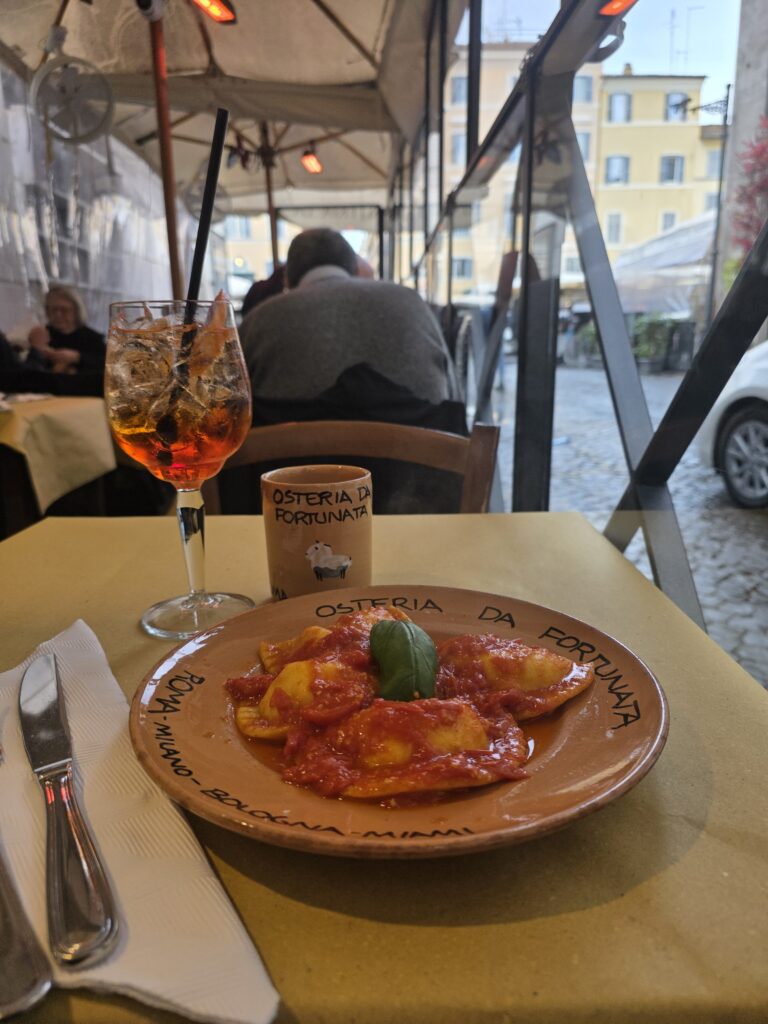
Frosinone reflects traditional Lazio cuisine, with hearty, rustic dishes. Some specialties include:
Porchetta – slow-roasted, herb-stuffed pork, often served in sandwiches.
Fettuccine alla Ciociara – egg pasta with local sauces, often featuring pork, truffles, or seasonal vegetables.
Olive Oil & Pecorino – locally produced extra virgin olive oil and sheep’s milk cheese.
Salsicce di Maiale – traditional pork sausages, sometimes paired with beans or vegetables.
Ciambelle & Bocconotti – local pastries for desserts or snacks, often with almonds or ricotta filling.
Tip: Local trattorias often serve farm-to-table dishes, using ingredients sourced from the surrounding countryside.
Transport Notes
Frosinone is well-connected to Rome and surrounding regions:
By Car
Located on A1 Autostrada (Rome–Naples), making it easy to reach Rome (~1 hour) or Naples (~2.5 hours).
Driving is the best option to explore nearby small towns and mountainous areas.
By Train
Served by Frosinone Train Station on the Rome–Cassino–Naples line.
Trenitalia regional trains connect to Rome Termini (~1 hour) and other Lazio towns.
By Bus
Regional bus services link Frosinone with smaller towns in Ciociaria, such as Fiuggi, Anagni, and Sora.
Buses are frequent but less flexible than trains or cars for remote villages.
Airports
The nearest major airport is Rome–Fiumicino (FCO), roughly 90 minutes by car or train.
Rome–Ciampino (CIA) is also accessible for budget flights.
Tips
Walking is best in the historic center, but cars are needed for rural exploration.
Public transport is adequate for commuting to Rome, but limited for scenic countryside trips.
Weather Notes
Frosinone has a Mediterranean climate with hot summers and mild winters, influenced by its inland position in the Latin Valley and surrounding Apennine foothills.
Seasonal Breakdown
Summer (June–August):
Hot and dry.
Average temperatures: 27–32°C (81–90°F).
July is the warmest month.
Occasional afternoon thunderstorms in hilly areas.
Autumn (September–November):
Mild and gradually cooling.
Average temperatures: 15–25°C (59–77°F).
September is still warm; November can be rainy.
Winter (December–February):
Cool and moderately wet.
Average temperatures: 3–12°C (37–54°F).
Frost may occur in January; snow is rare but possible in surrounding hills.
Spring (March–May):
Pleasant and mild, with blooming countryside.
Average temperatures: 12–22°C (54–72°F).
Ideal for outdoor sightseeing and countryside drives.